Beginner hiking mistakes are much more common than people think, but luckily, most of them are easy to avoid.
Starting hiking for the first time can feel overwhelming. You see people with expensive gear, huge backpacks and years of experience, and it’s easy to think you’re not ready yet. The truth is much simpler: most beginner hiking mistakes are easy to avoid with a little preparation. You don’t need to know everything before your first trail — you just need a few basics.
The Most Common Beginner Hiking Mistakes
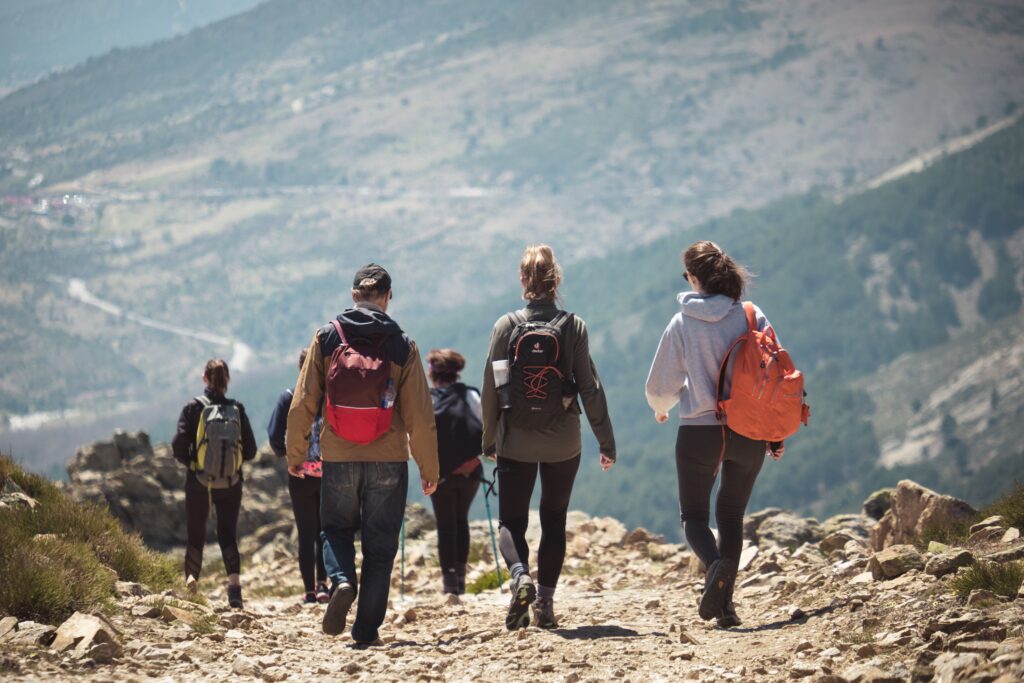
- Thinking You Need Expensive Gear One of the biggest beginner hiking mistakes is believing you need to buy everything before you even know if you’ll enjoy hiking. You don’t. Comfortable clothes, decent trainers for an easy trail and a small backpack are enough to get started. If hiking becomes a hobby, you can always upgrade your gear later.
- Choosing a Trail That’s Too Difficult Your first hike should build confidence, not leave you exhausted. Instead of picking the most impressive mountain you can find online, choose an easy, well-marked trail close to home. Finishing your first hike with a smile is much more important than reaching the highest viewpoint.
- Forgetting the Basics Preparation doesn’t take long, but it makes a huge difference. Check the weather forecast before leaving, pack more water than you think you’ll need, and don’t forget sunscreen and a hat. Even an easy trail can feel much harder if you’re thirsty or spending hours in direct sunlight.
- Starting Too Late Trails often take longer than expected. You stop for photos, enjoy the views or simply walk at a slower pace than planned. Starting earlier in the day gives you enough time to enjoy the experience without worrying about hiking back in the dark.
- Wearing Brand-New Shoes New shoes might look perfect, but they often need time to break in. If possible, wear shoes you’ve already walked in for a while. Comfortable feet can completely change how you remember your first hike.
- Ignoring Offline Maps Even popular trails don’t always have reliable mobile signal. Before leaving, download your route using an app like Komoot or another navigation app you trust. It only takes a minute and can save you a lot of unnecessary stress.
- Not Telling Anyone Where You’re Going If you’re hiking alone, let someone know where you’re going and roughly when you expect to be back. It’s a simple habit that takes only a few seconds and adds an extra layer of safety without taking away from the adventure.
Final Thoughts
Your first hike doesn’t have to be perfect. You’ll probably forget something, learn a few lessons and discover what works best for you—and that’s exactly how experience is built.
Don’t let beginner hiking mistakes stop you from getting outside. Prepare a little, start with an easy trail and enjoy the process. The best part about hiking isn’t doing everything perfectly—it’s taking that first step.
If you’re still wondering whether hiking alone is a good idea, you might also enjoy reading my guide on how to start hiking even if you don’t have company.