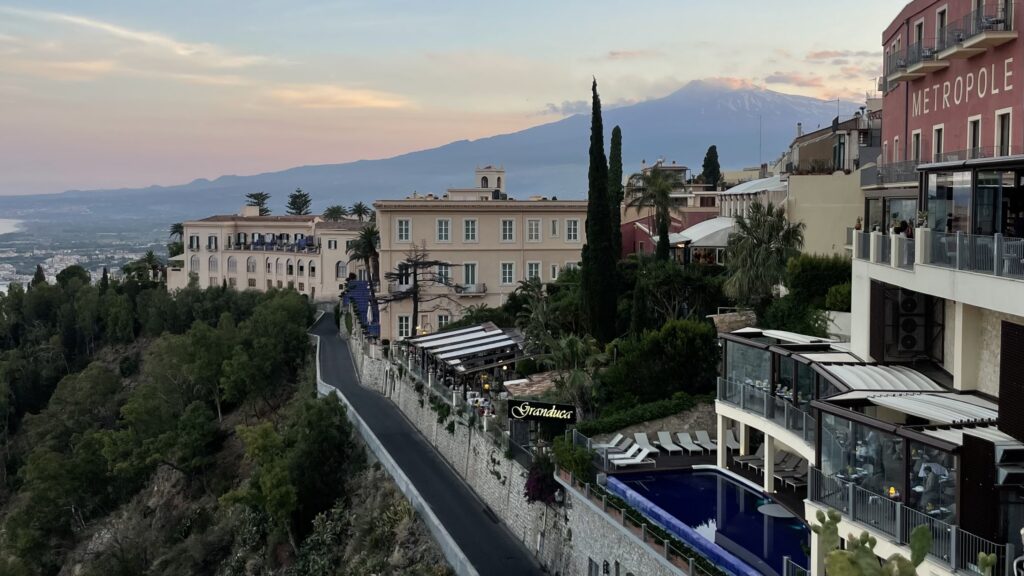
There are countless places in Europe worth visiting for their famous landmarks, museums or history. But some of the places that stay with you are the ones where you don’t feel the need to rush from one attraction to another.
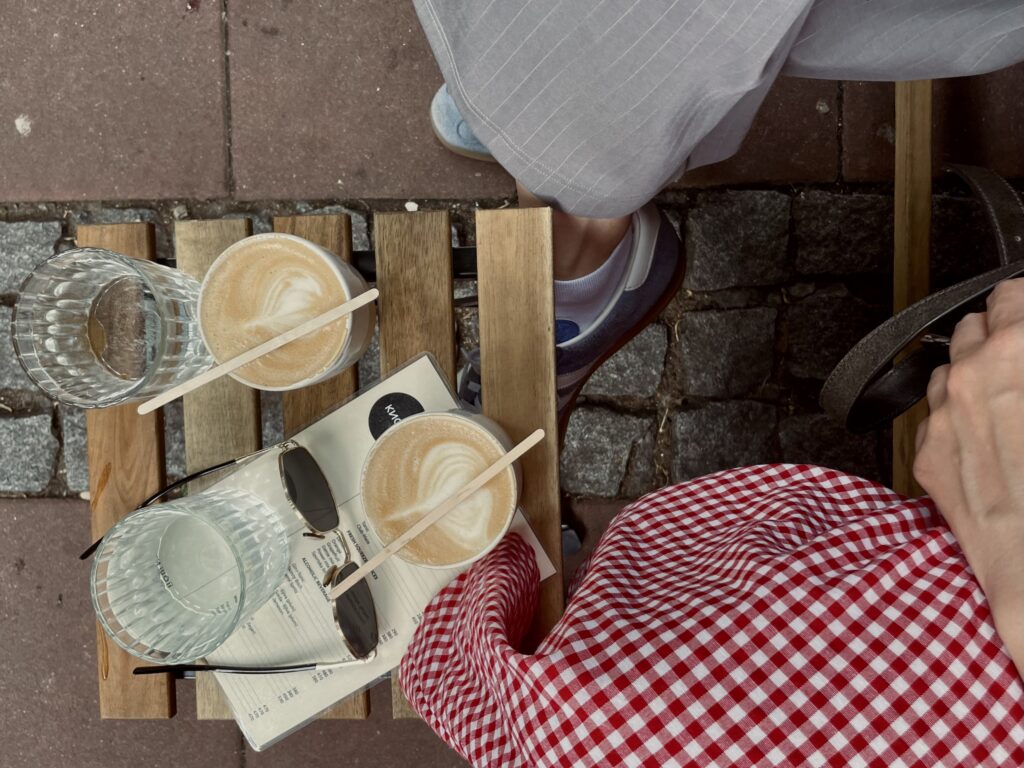
These are the places where walking becomes the plan. You stop for coffee because a tiny bar looks inviting, wander into a gallery you didn’t know existed, take the longer way back to your hotel or sit somewhere simply because the view is beautiful.
Not every place on this list is a hidden gem, and they aren’t all small towns either. Some are tiny, some are proper cities and some are already very popular European destinations.
What they have in common is that they are among those places in Europe where slowing down feels like part of the experience.
These are seven that stayed with me.
Hum, Croatia
Hum is often called the smallest town in the world, and when you arrive, you’ll immediately understand where the reputation comes from.
Hidden in the Istrian countryside, it feels closer to a tiny medieval village than somewhere you would normally call a town. There are old stone houses, a church, a restaurant, a couple of souvenir shops and a bar — and that’s pretty much the point.
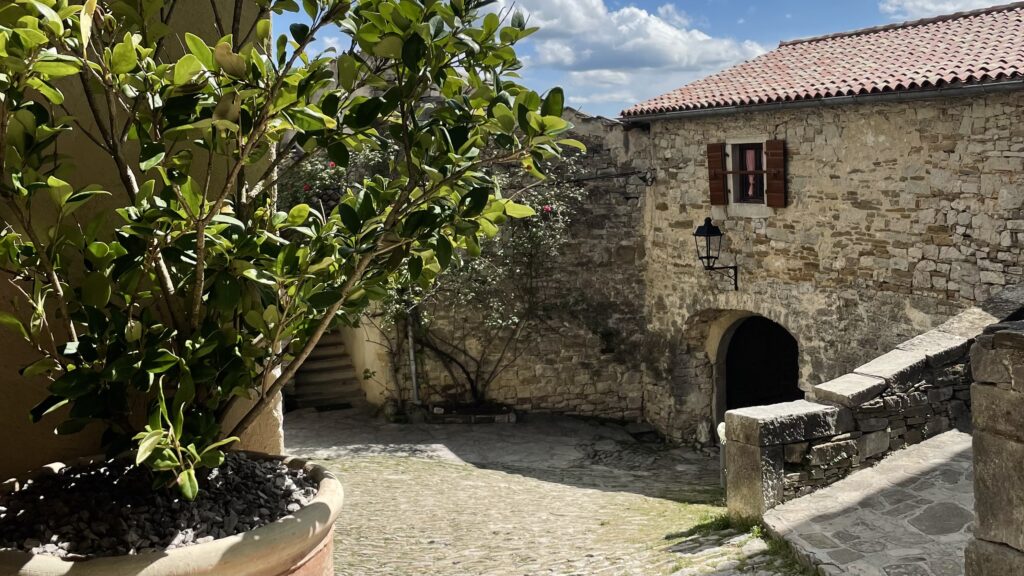
You don’t come to Hum with a long sightseeing list.
Walk through the old town, see the medieval town gate and church, and simply enjoy how ridiculously charming the whole place is. One of my favorite stops was the little bar in town. It serves drinks from Aura, a well-known Istrian distillery, and I had a cocktail made with Teranino, their red wine liqueur.
When the entire town can be explored very quickly, sitting down for a drink instead of immediately leaving somehow feels like exactly the right thing to do.
Hum doesn’t need an entire weekend. But if you’re traveling through Istria, it’s one of those tiny places in Europe that can become a surprisingly memorable stop.
Saint-Paul-de-Vence, France
If Hum feels like a tiny medieval village, Saint-Paul-de-Vence feels like an outdoor art gallery.
This hilltop town on the French Riviera has a long connection with artists, and today its narrow streets are filled with galleries, studios and sculptures. That artistic character is what I remember most.
You don’t need to walk around Saint-Paul-de-Vence with a strict itinerary. Wander through the old stone streets, look inside the galleries and pay attention to the art that appears around you almost as part of the architecture. If you want a more deliberate art stop, Fondation Maeght, just outside the historic village, is one of the major modern and contemporary art attractions in the area.
But even without entering a museum, the old town itself has that feeling. Beautiful stone buildings, little passages, views beyond the medieval walls and art almost everywhere you look make it one of those places where simply walking around is enough to fill a few hours.
Bruges, Belgium
Bruges is probably the closest I’ve come to walking through a town that actually looks like it belongs in a fairy tale.
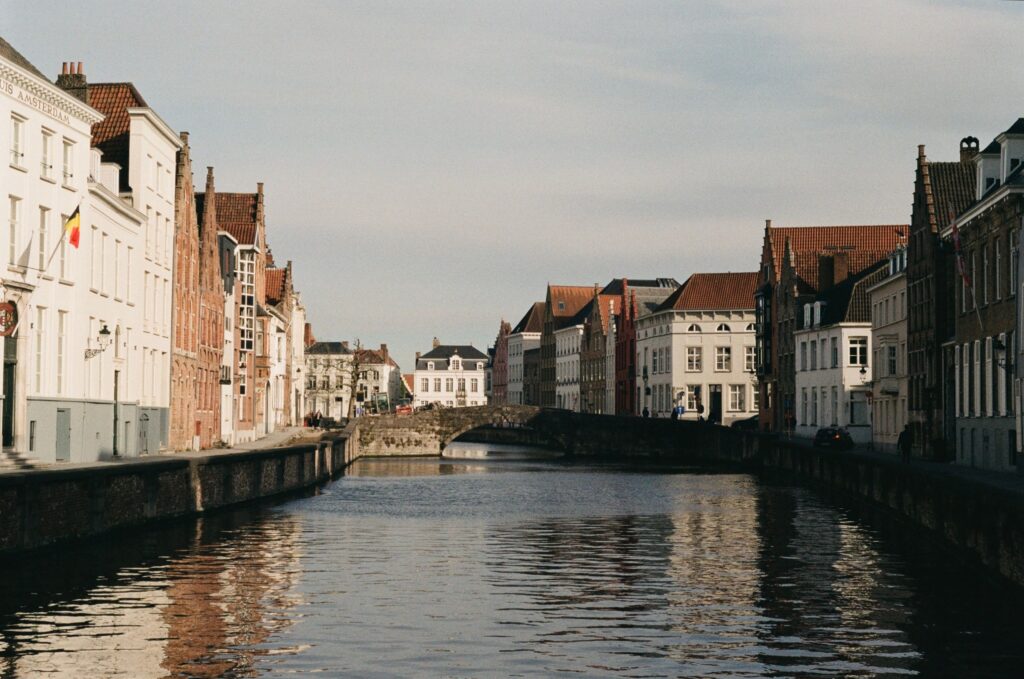
Cobbled streets, canals, medieval buildings and rows of beautiful façades make the historic center feel almost unreal in places. I visited Bruges some time ago, so I don’t have a long list of personal recommendations or a secret restaurant I still think about. What I do remember very clearly is the atmosphere and how incredibly pretty the whole city felt.
Start around Markt, the city’s main square, where you’ll find the famous Belfry of Bruges. If you don’t mind the climb, the top gives you a panoramic view over the city.
Then walk.
The canals are such a big part of Bruges that seeing the city from the water is also worth considering, but it’s equally enjoyable to follow them on foot and let the streets decide where you end up.
And since you’re in Belgium, stopping somewhere for Belgian chocolate, waffles or a beer hardly feels like wasting valuable sightseeing time.
Rovigno, Croatia
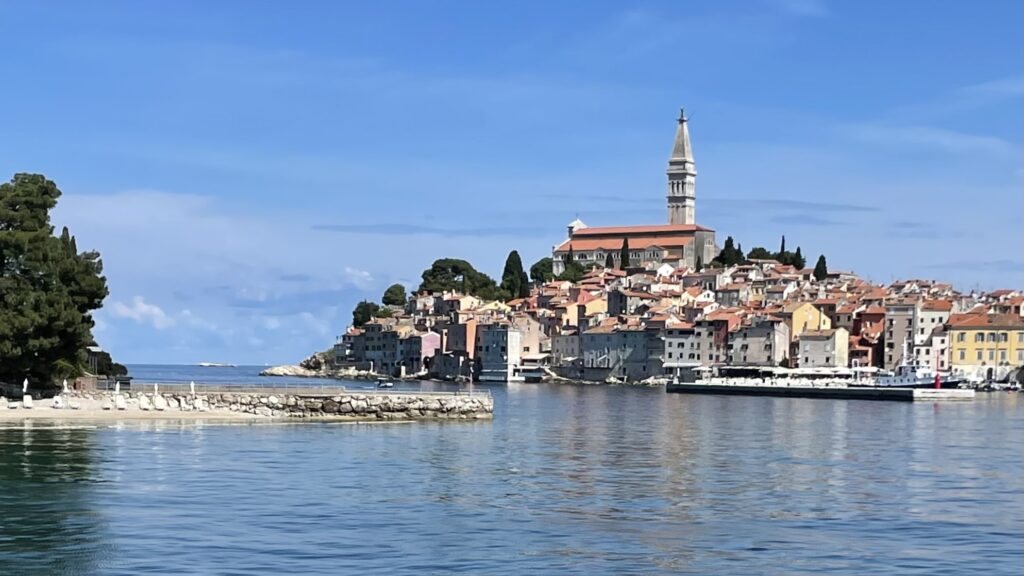
Rovigno is one of those coastal towns that looks beautiful from almost every direction.
Its old town sits on a small peninsula, with colorful buildings rising from the waterfront and the Church of St. Euphemia at the top. The historic center is full of narrow streets, galleries, souvenir shops, small designer stores and restaurants.
But there’s something you should know before you start exploring: wear comfortable shoes.
Rovigno has plenty of uphill streets, steps and polished stone underfoot. This is not the place where I’d choose style over practicality. Forget the heels and wear something comfortable with a decent grip, especially if the streets are wet.
Make your way through the old town towards the Church of St. Euphemia, browse the shops along the way and leave enough time to simply walk along the waterfront.
And if you want somewhere special to stop for a drink, Mediterraneo is my little Rovigno recommendation. Hidden right beside the sea, it’s the kind of café bar where the setting does most of the work.
Rovigno is also a perfect base for exploring more of Istria (including tiny Hum), which is why these two places work particularly well together on the same trip.
Ortigia, Sicily
Ortigia might be the easiest place on this list for me to explain because it became one of my favorite places in Sicily almost immediately.
The historic heart of Syracuse sits on a small island surrounded by the sea. Narrow streets open unexpectedly onto little squares, galleries, ceramics shops, restaurants and glimpses of blue water.
There are things you absolutely should see.
Piazza Duomo is the obvious one. After walking through Ortigia’s narrow streets, suddenly stepping into this large pale-stone square is spectacular. The Cathedral of Syracuse dominates one side and incorporates columns from the ancient Greek Temple of Athena into the building itself.
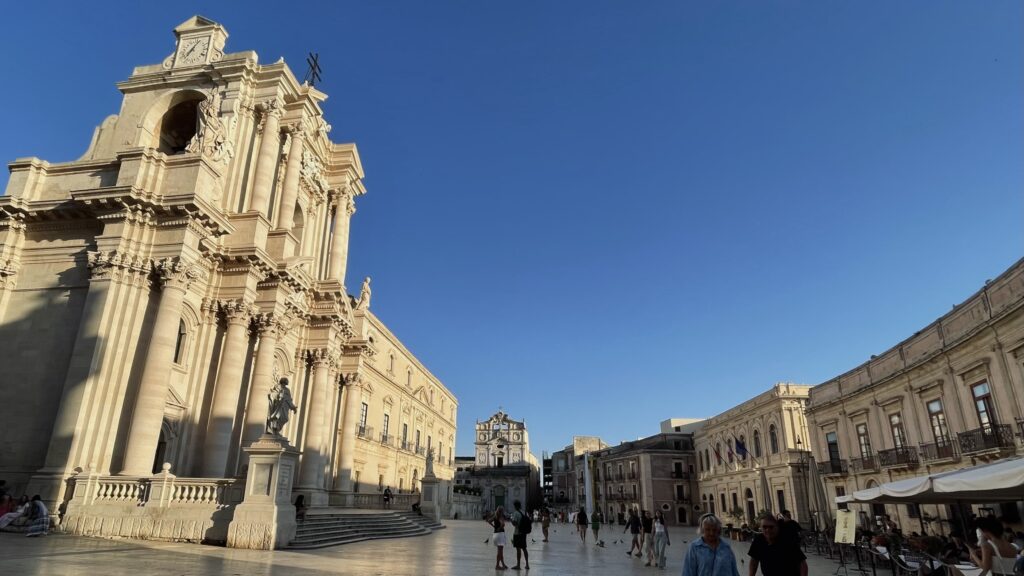
You can also walk along the waterfront past Fonte Aretusa and continue towards Castello Maniace at the southern end of the island. But my biggest recommendation for Ortigia remains the same: don’t fill every hour with sightseeing.
Walk without the map for a while. Look inside the ceramics shops and little galleries. Get a gelato and follow the waterfront around sunset. Stop for an aperitivo and let dinner happen later. Ortigia becomes particularly lovely in the evening, when tables fill the streets and the whole island seems to become more alive.
I wrote an entire weekend guide to Ortigia because there’s much more I could say about it, but if you remember one thing, let it be this: give Ortigia time. It’s much better when you don’t rush it.
Verona, Italy
Italy rarely disappoints, and Verona has that particularly polished kind of Italian beauty that makes walking around feel like an activity in itself.
Yes, this is the city of Romeo and Juliet, and you’ll find the famous Juliet’s House here. But Verona deserves much more than being reduced only to Shakespeare.
The Roman Arena is one of its major landmarks, and Piazza delle Erbe is another place you’ll almost inevitably end up while exploring the historic center. The square has been at the heart of city life since Roman times and is still surrounded by beautiful historic buildings, cafés and activity.
Fashion is difficult to avoid in Italy – and I don’t think you should try. 🙂 Verona has plenty of fashion shops, so leave some time for browsing between the sightseeing.
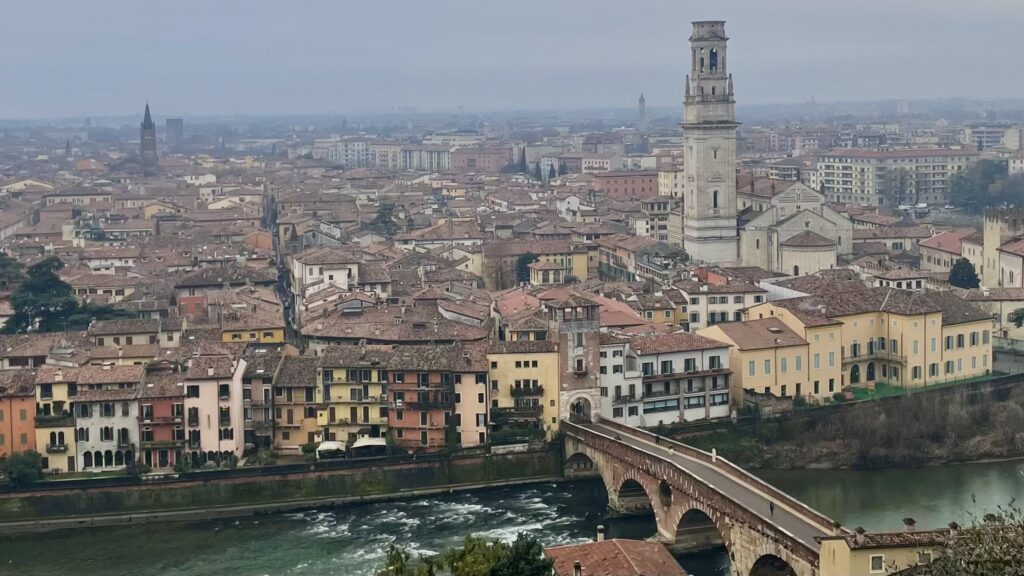
One of my favorite walks was crossing the Adige and heading uphill towards Castel San Pietro. You can take the funicular, but walking up gives you the reward gradually: a beautiful panoramic view over Verona’s terracotta rooftops and the river.
And if you’re looking for somewhere to eat, Trattoria La Molinara is one of my personal recommendations. It’s easy to walk straight past it as it is slightly tucked away on the edge of the city center, so it doesn’t immediately call for attention. But when you enter, you will see that is feels so local, so Italian, and the food is just so delicious. The traditional cacio e pepe is on another level here.
Verona has famous attractions, but it also works beautifully when you stop treating it as a checklist and simply spend time walking through it.
Porto, Portugal
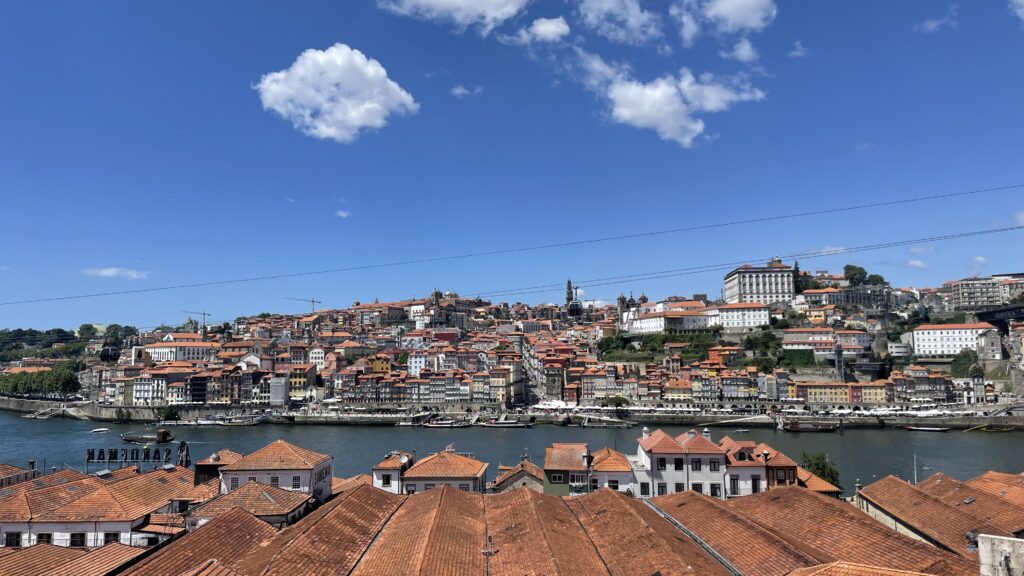
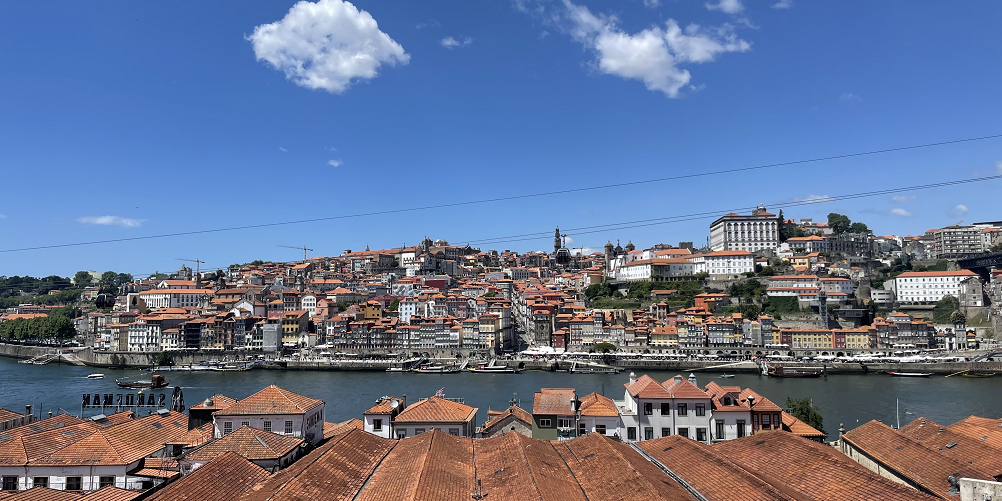
Porto is by far the biggest place on this list, which is exactly why I don’t think population or size should define the kinds of European places worth slowing down for.
When people plan their first Portugal trip, Lisbon is often the obvious choice. I went there too. But as someone who generally prefers smaller cities, I fell for Porto almost immediately.
It still feels unmistakably like a city, but somehow more manageable. There is energy everywhere: restaurants spilling into pedestrian areas, street musicians, galleries, little shops and plenty happening around you without the city feeling overwhelming.
Ribeira, Porto’s historic riverside district, is one of the places you shouldn’t miss. From there, the Dom Luís I Bridge stretches across the Douro towards Vila Nova de Gaia, where many of the famous port wine cellars are located.
São Bento railway station is also worth stepping inside even if you’re not catching a train – its walls are covered in the blue-and-white azulejo tiles Portugal is famous for.
But some of my favorite memories are much simpler: walking around, finding small galleries and cute souvenir shops, sitting in restaurants in pedestrian streets and enjoying the positive energy of the city. And obviously, don’t leave Portugal without eating pastéis de nata. Preferably more than once. 😊
Porto may not belong on a list of Europe’s small towns, but that’s exactly why I prefer thinking about this as a list of beautiful places in Europe instead.
The best places in Europe aren’t always about seeing more
Looking back at these seven places, they’re actually very different.
Hum can be explored in what feels like no time at all. Porto could easily keep you busy for days. Rovinj and Ortigia are surrounded by the sea, Saint-Paul-de-Vence feels like an open-air gallery, Bruges belongs beside its canals and Verona has all the elegance you’d expect from an Italian city.
What connects them isn’t their size or even a particular style of travel. It’s the feeling that you don’t have to constantly search for the next thing to see.
Of all the places in Europe you could add to a future trip, sometimes the ones worth remembering are simply the ones that make you want to stay a little longer.
Order another coffee. Walk down one more street. Sit by the water. Go into the gallery. And leave the next attraction for another day.
Keep exploring
If you’re planning more slow days in Europe, you might also like:
A weekend in Ortigia: The most beautiful part of Sicily
A closer look at what to see, where to wander and how to spend a weekend on one of my favorite parts of Sicily.
Taormina Sicily guide: What Not to Miss in 4 Days
Beautiful views, beaches, granita and the places worth making time for in Taormina.
How I learned to travel with only a carry-on
A simpler way of packing that leaves more room for moving freely — and, occasionally, the things you find along the way.