Choosing your first hiking trail can feel surprisingly overwhelming. I remember opening Komoot for the first time, excited to plan my first real hike. Within seconds, I was staring at hundreds of trails, each with different distances, elevations, estimated times and difficulty levels. Instead of feeling inspired, I had no idea where to begin.
At first, I assumed I needed to choose one of the most popular trails or something that looked impressive. Looking back, I’m glad I didn’t. The trails that made me fall in love with hiking weren’t the hardest ones – they were the ones that made me want to come back the following weekend.
If you’re planning your first hiking trail, here are a few things that will help you choose an experience you’ll actually enjoy.
1. Distance Isn’t the Most Important Thing
One of the biggest mistakes beginners make is focusing only on the number of kilometers.
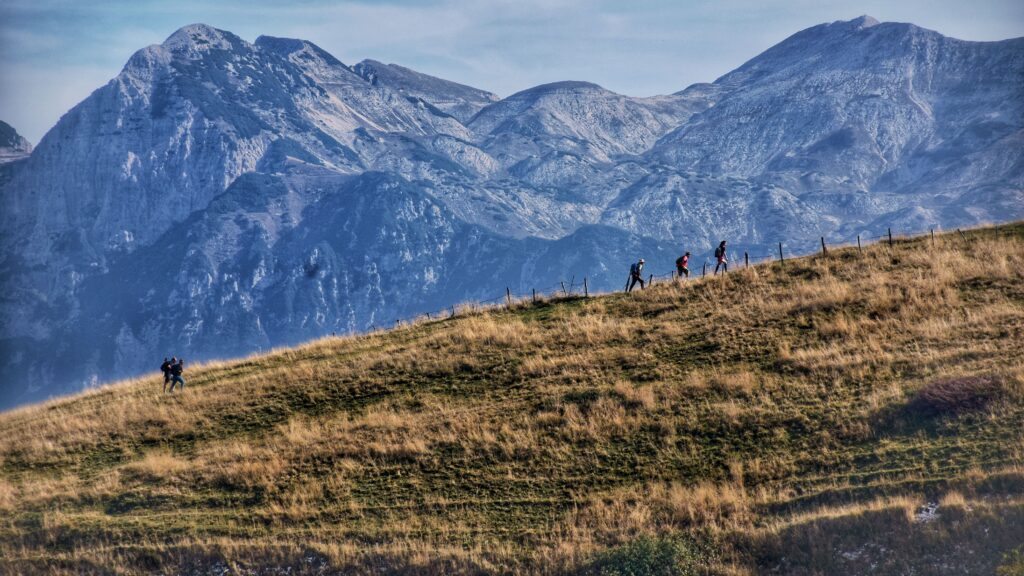
A short trail with steep climbs can be much more demanding than a longer walk on gentle terrain. Before choosing a route, pay attention to:
- Elevation gain
- Estimated hiking time
- Trail surface (forest path, gravel, rocks or uneven terrain)
These details give you a much better idea of how challenging the hike will actually feel.
2. Don’t Choose a Trail Just Because It’s Popular
The most popular hike isn’t always the best choice for beginners.
Many famous trails are crowded, physically demanding or simply stressful if you’ve never hiked before.
Your goal isn’t to complete the trail everyone talks about. Your goal is to finish your first hike thinking:
“I can’t wait to do this again.”
That feeling is far more valuable than checking off a famous destination.
3. Choose Beauty Over Difficulty
When I stopped trying to prove something and started choosing trails simply because they looked beautiful, hiking became much more enjoyable.
A quiet forest.
A mountain lake.
A viewpoint overlooking a valley.
A trail following a river.
Those places make you slow down, take breaks and actually enjoy being outside instead of counting every uphill section until it’s over.
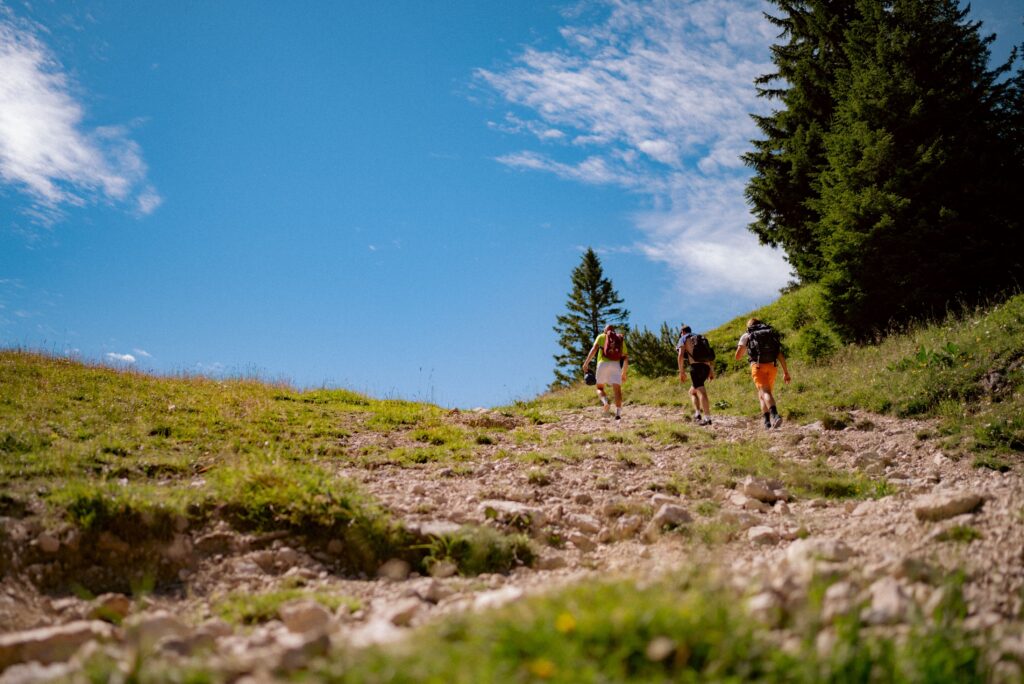
4. Read Recent Reviews Before You Go
Apps like Komoot and AllTrails can tell you much more than the official trail description.
Recent reviews often mention things you wouldn’t otherwise know, like:
- muddy sections after rain
- fallen trees
- overgrown paths
- temporary closures
- unexpected difficulties
Spending two minutes reading recent experiences can save you a lot of frustration later.
5. Loop Trails Are Usually More Enjoyable
If you have the choice, look for a loop trail.
Instead of walking back along exactly the same path, you’ll experience new scenery throughout the hike. It simply feels more interesting and keeps the walk feeling fresh from start to finish.
Out-and-back trails certainly have their place, but for a first hike, loops often make the experience feel more rewarding.
6. Look Beyond the Photos
Beautiful photos don’t always tell the whole story.
Before choosing your first hiking trail, check whether it includes:
- steep cliffs or exposed sections
- loose rocks or technical terrain
- river crossings
- enough shade during hot weather
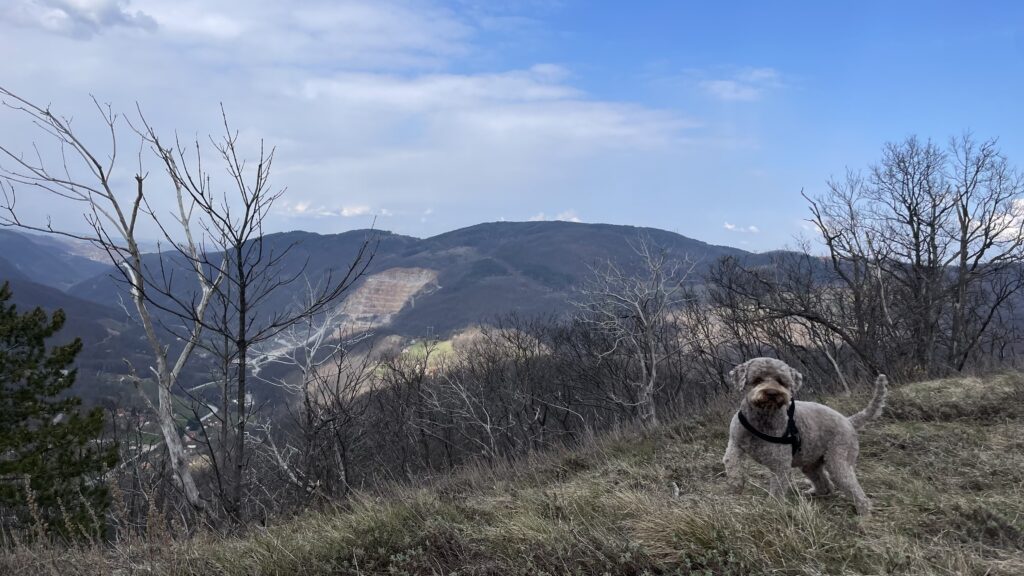
If you’re hiking with your dog, also think about how comfortable the terrain will be for their paws and safety overall. A trail that’s perfect for you isn’t always the best choice for your four-legged hiking partner.
7. Check the Weather
Weather can completely change how a trail feels.
A gentle forest walk can become slippery after heavy rain, while an exposed mountain trail can feel exhausting during extreme heat.
Checking the forecast before leaving is one of the easiest ways to avoid an unpleasant surprise.
If the weather doesn’t look right, don’t feel guilty about changing your plans. The mountains will still be there next weekend.
8. Start Earlier Than You Think You Need To
One of the easiest ways to enjoy your first hike is to remove the pressure of racing the clock.
Leaving early gives you time to:
- stop for photos
- have a snack with a view
- take breaks whenever you want
- walk at your own pace
The goal isn’t to finish as quickly as possible. It’s to enjoy the experience while being safe back before the dark catches you.
Final Thoughts
Looking back, I realize I spent far too much time searching for the “perfect” trail.
The truth is, there isn’t one.
The best first hiking trail is simply the one that matches your current experience and leaves you excited to explore again. Hiking isn’t about proving how tough you are. It’s about discovering places that make you want to spend more time outdoors.
Your first hike doesn’t have to be your most impressive one. It just has to be the one that makes you start planning the next.
Continue Exploring
If you’re just getting started, these guides will help you feel even more confident outdoors:
- How to Start Hiking Even If You Don’t Have Anyone to Go With – practical advice for taking the first step, even if you’re going solo.
- 7 Mistakes Every Beginner Hiker Makes (And How to Avoid Them) – avoid the most common mistakes before you hit the trail.
- Dog Hiking Checklist: Everything I Pack Before Every Trail – if your dog is joining the adventure, here’s everything I never leave home without.